Build a chess home on your street, one regular session at a time
A neighbourhood chess club does not need a famous player, a grand venue or a large budget to begin. It needs a dependable place, a few people who will turn up, enough equipment to play and organisers who make newcomers feel expected.
The best club is not necessarily the strongest one. It is the one that gives a beginner a seat, gives a regular a reason to return and gives the wider community a simple way to find it.
Start with a purpose and your first players
Before you print a flyer or open a group chat, decide what the club is for. It might be a relaxed meeting for adults after work, a learning space for children, a home for serious tournament players or a mixture with separate time for each level. The US Chess guide to running a successful club recommends asking who the target players are, what the club will offer, where and when it will meet, and how it will be led. Those questions are useful in a Nigerian neighbourhood too.
Start with a small listening exercise. Ask neighbours, schools, youth groups, churches, libraries or nearby businesses whether people want lessons, casual games, a junior session or competition practice. Do not promise everything on the first day. Choose one clear first offer, such as a weekly two-hour social session with a short lesson followed by games.
Recruit for reliability rather than numbers. Three people who can help open the room, welcome visitors and pack away boards are a stronger foundation than a large list of names. Set up one communication channel, publish the address and start time, and ask interested players to confirm before the first meeting so you can prepare enough boards.
Secure a welcoming venue
Look for a place that is safe, easy to reach and available at the same time each week. A community hall, school classroom, library, faith centre, youth centre or quiet café could work if the owner or manager agrees. The US Chess guide specifically points organisers towards schools, libraries, churches, recreation centres and private businesses, while warning them to consider rent, opening hours and long-term availability.
Visit the space during the proposed playing hour. Check lighting, ventilation, toilets, seating, noise, rain access and whether players can leave safely after dark. Ask what happens if electricity fails and whether the venue has a backup arrangement. A club that starts late every week will quickly lose trust.
Agree the basics in writing, even if the venue is free. Confirm the fee, who holds the key, what furniture is included, whether food or drinks are allowed, how the room is left and who to contact when plans change. Keep the playing area clear enough for players to think and for a volunteer to walk around without disturbing games.
If the club eventually wants rated events, ask the Nigeria Chess Federation or the relevant state association about current requirements and contacts. FIDE’s member-federation directory lists the Nigeria Chess Federation and its published contact details; that is a sensible starting point for finding the right official route rather than guessing.
But I like playing more than winning.
Mikhail Tal, former World Champion and grandmaster
Assemble the kit before opening night
Count equipment by games, not by people. Four boards can host eight players at once, so a club expecting 12 players needs at least six playable sets, with one spare if possible. Borrowing is fine for a trial meeting, but label donated sets and keep an inventory so missing pieces do not become a weekly problem.
The starter kit should include boards, complete sets of pieces, a few digital clocks, score sheets, pens, board numbers and a demonstration board or large magnetic board for teaching. A simple cash record is also important if members contribute towards rent, refreshments or equipment.
For equipment, FIDE’s published standards are a useful benchmark when buying for serious play. They describe Staunton-style pieces as a recommended form, suggest board squares of 5–6 centimetres and emphasise consistent equipment across games. Matching boards and working clocks make play fairer.
Set ground rules before the first game. Phones should be silent, players should not touch pieces out of turn, and disagreements should be paused while a named organiser helps. Explain that beginners may ask questions during teaching games, while rated or serious games need an agreed standard. A calm, respectful room matters more than expensive pieces.
Set a rhythm, share the work and keep it alive
Consistency is your strongest publicity. Pick a day and time that fit the people you want to serve, then protect that appointment. A two-hour weekly session is a practical starting point: allow time for arrivals, a brief activity, games and pack-away. If school, work, worship or transport patterns change, ask members before moving the time.
Give each meeting a recognisable shape without making it repetitive. One week might begin with a lesson and casual games; the next could use a mini-tournament, puzzles, a simul or a game review. The US Chess guide lists these kinds of activities, so vary the menu while keeping the appointment stable.
Use a rota so one person is not carrying the club. A coordinator can confirm the venue, a kit keeper can count boards and clocks, a treasurer can record money, and a host can greet newcomers. Publish a short recap with the next date, but never publish a child’s image or personal details without the required permission.
Stage
What to do
Sign of progress
First meeting
Teach the format, pair games and collect feedback
Visitors know when to return
First month
Repeat the time, test two or three activities and build the rota
Members share responsibility
Second month
Run a friendly event and invite a neighbouring group
Players bring someone new
Ongoing
Review attendance, costs and ideas every few weeks
The club adapts without losing its routine
Keep an affordable route to participation. A free first visit or modest contribution can remove hesitation, while transparent costs protect trust. Set aside money for replacement pieces, venue charges and outreach.
Most importantly, reward return visits with belonging, not only results. Welcome the person playing their first game, pair stronger players with patience, and give members a voice in the programme. Tal’s reminder that he liked playing more than winning captures the spirit of a club that survives.
Frequently asked questions
Tap any question to open the answer.
Do I need to be a strong chess player to start a club?
No. Organisation, reliability and a willingness to learn can be more useful than a high playing strength at the beginning. Bring in a stronger player, coach or experienced tournament organiser when the club needs teaching or formal-event guidance.
How many people should attend the first meeting?
There is no required number. Start with the equipment and space you can manage, then use the first few sessions to learn the demand; a small, dependable group is enough to establish the routine.
Should the club run rated tournaments immediately?
Not necessarily. First make sure the venue, equipment, timekeeping, pairings and volunteer roles work smoothly, then ask the Nigeria Chess Federation or the relevant state body about the current process for any rated event.


 Digital Chess Clock — Tournament, 10 Presets
4 × ₦64,000
Digital Chess Clock — Tournament, 10 Presets
4 × ₦64,000  Mechanical Analog Chess Clock — Twin Dial
4 × ₦38,000
Mechanical Analog Chess Clock — Twin Dial
4 × ₦38,000  Chess for Kids: How the Pieces Move
6 × ₦9,500
Chess for Kids: How the Pieces Move
6 × ₦9,500  Adire Folding Chessboard — 20" Wooden
2 × ₦58,000
Adire Folding Chessboard — 20" Wooden
2 × ₦58,000  Afro Rook Scorebook — 100 Games
2 × ₦6,500
Afro Rook Scorebook — 100 Games
2 × ₦6,500  Chess for Kids: 50 Puzzles to Solve
4 × ₦11,000
Chess for Kids: 50 Puzzles to Solve
4 × ₦11,000  Inlaid Wooden Tournament Board — 21"
2 × ₦85,000
Inlaid Wooden Tournament Board — 21"
2 × ₦85,000  Nok Clay Roll-Up Chessboard — 20" Vinyl
2 × ₦24,500
Nok Clay Roll-Up Chessboard — 20" Vinyl
2 × ₦24,500  Quilted Chess Bag — Board and Pieces
2 × ₦15,500
Quilted Chess Bag — Board and Pieces
2 × ₦15,500 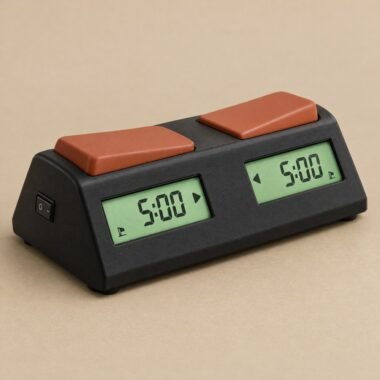 Digital Chess Clock — Tournament, 10 Presets
 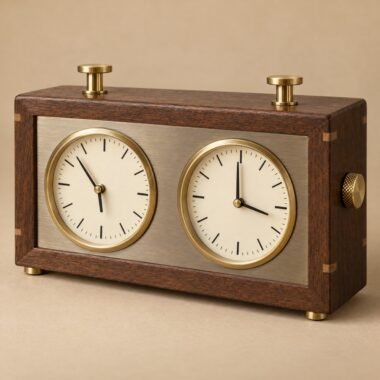 Mechanical Analog Chess Clock — Twin Dial
 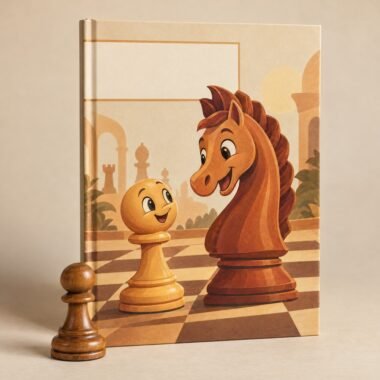 Chess for Kids: How the Pieces Move
 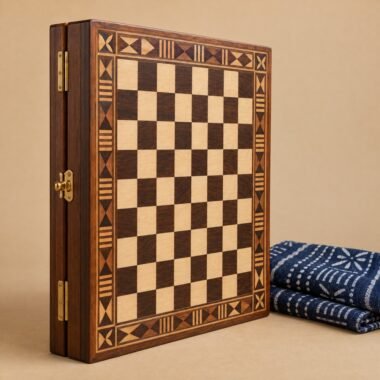 Adire Folding Chessboard — 20" Wooden
 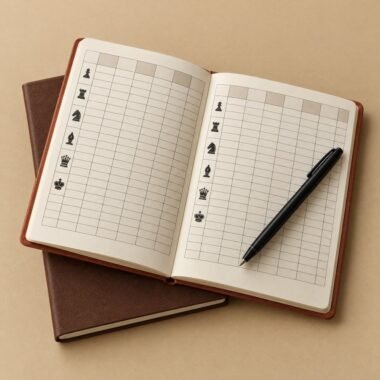 Afro Rook Scorebook — 100 Games
 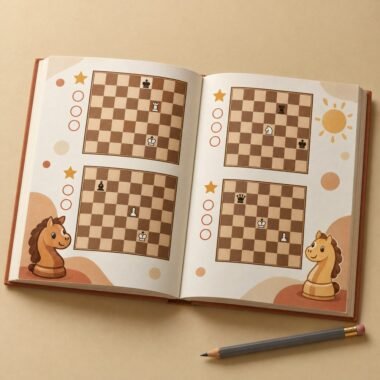 Chess for Kids: 50 Puzzles to Solve
 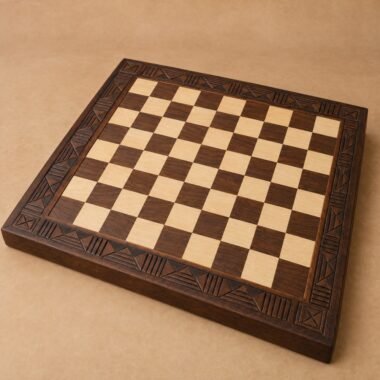 Inlaid Wooden Tournament Board — 21"
 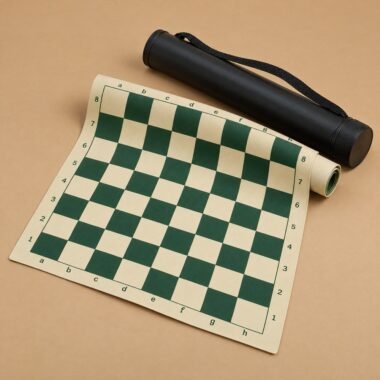 Nok Clay Roll-Up Chessboard — 20" Vinyl
 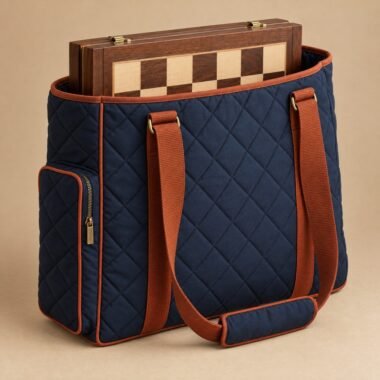 Quilted Chess Bag — Board and Pieces












Leave a comment